Rupayan City Uttara – Landscape Design
Vertical Greenery & Hanging Gardens
Project Overview
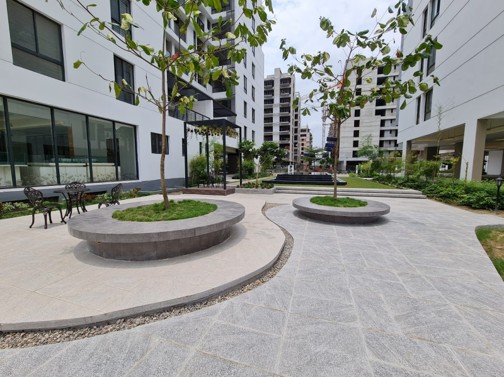
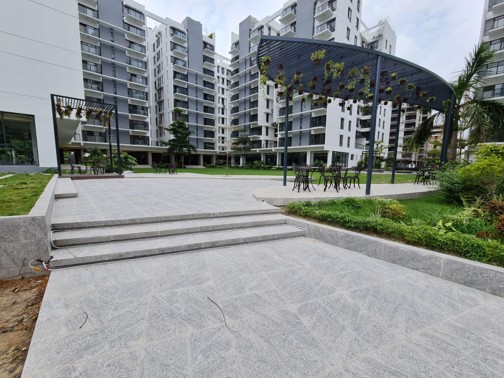
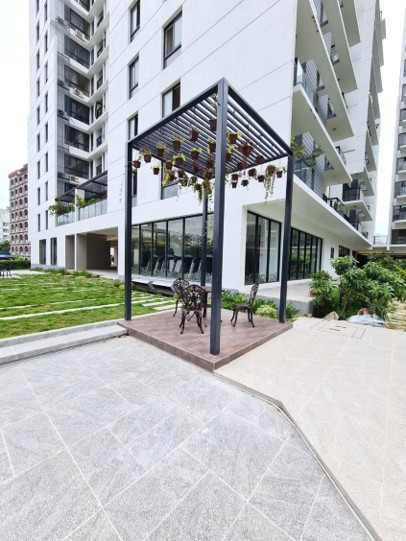
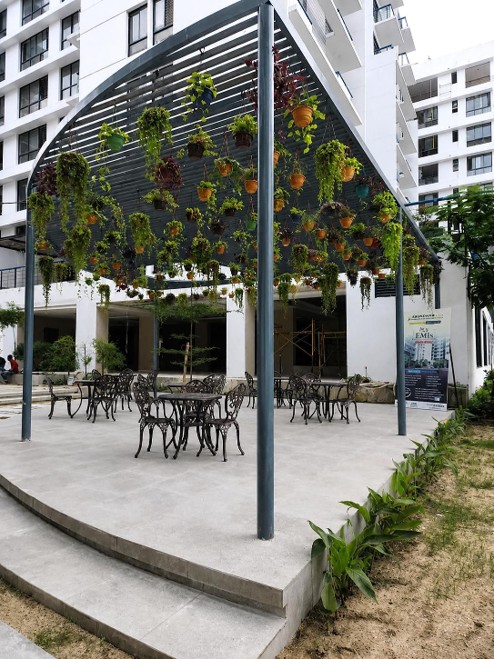
Rupayan City Uttara showcases a contemporary approach to urban landscape design, integrating architectural structures with natural greenery to create a visually distinctive and environmentally conscious environment. The vertical greenery and hanging garden concept transforms the curved metal roof structure into a large-scale framework for suspended plants, creating a dynamic green feature that blends modern engineering with natural beauty.
Vertical Greenery Concept
Vertical greenery introduces vegetation into architectural elements, maximizing the use of available space while creating a lush, natural appearance. By incorporating hanging plants into the roof structure, the landscape design adds depth, texture, and visual interest to the building.
The greenery softens the appearance of metal and other hard construction materials, creating a more balanced relationship between the built environment and nature.
Curved Metal Roof & Hanging Garden Structure
The curved metal roof structure acts as a giant supporting grid for hanging plants. Its distinctive geometry provides an opportunity to arrange vegetation at different heights, creating a layered canopy effect and an eye-catching architectural feature.
The integration of greenery with the roof framework can transform an otherwise conventional structural element into a living landscape installation. Carefully planned plant placement, suitable hanging systems, and appropriate maintenance access are essential for long-term performance.
Key Landscape Design Features
Vertical Greenery: Maximizes planting opportunities by incorporating vegetation into vertical and overhead structures.
Hanging Gardens: Suspended plants create a lush, layered visual effect and enhance the overall landscape experience.
Architectural Integration: The curved metal roof serves as a structural framework for supporting the hanging garden system.
Visual Connectivity: Green elements soften the hard architectural lines and create a natural transition between built and landscaped spaces.
Microclimate Considerations: Strategically selected plants may provide localized shade and help moderate surface temperatures.
Sustainable Landscape Planning: Appropriate plant selection, efficient irrigation, drainage, and maintenance planning support the long-term health of the greenery.
Spatial Experience: Overhead vegetation creates a distinctive atmosphere for visitors and enhances the visual character of shared spaces.
Materials & Technical Considerations
Successful implementation of a hanging garden requires careful coordination between landscape design, architecture, and structural engineering. Important considerations include:
Corrosion-resistant hanging supports and secure fixing systems.
Lightweight planters or suitable planting modules.
Reliable irrigation and drainage systems to prevent water accumulation.
Plant species selected for local climate, sunlight, wind, and exposure conditions.
Safe maintenance access for pruning, watering, and replacing plants.
Structural load assessment for mature plants, saturated growing media, water, and wind forces.
Design Vision & Environmental Benefits
The design vision is to create a harmonious relationship between contemporary architecture and nature through an innovative vertical landscape system. The curved roof and hanging vegetation work together to establish a recognizable green feature that enhances the development’s visual identity.
When properly designed and maintained, vertical greenery can contribute to localized shading, improved user experience, and a more attractive urban environment. Plant selection and irrigation should be tailored to local conditions to ensure durability and sustainable operation.
Conclusion
The Vertical Greenery & Hanging Gardens concept at Rupayan City Uttara demonstrates how architectural structures can be reimagined as opportunities for landscape integration. By transforming the curved metal roof into a supporting framework for hanging plants, the concept combines structural creativity, natural aesthetics, and contemporary landscape design to create a distinctive green architectural experience.